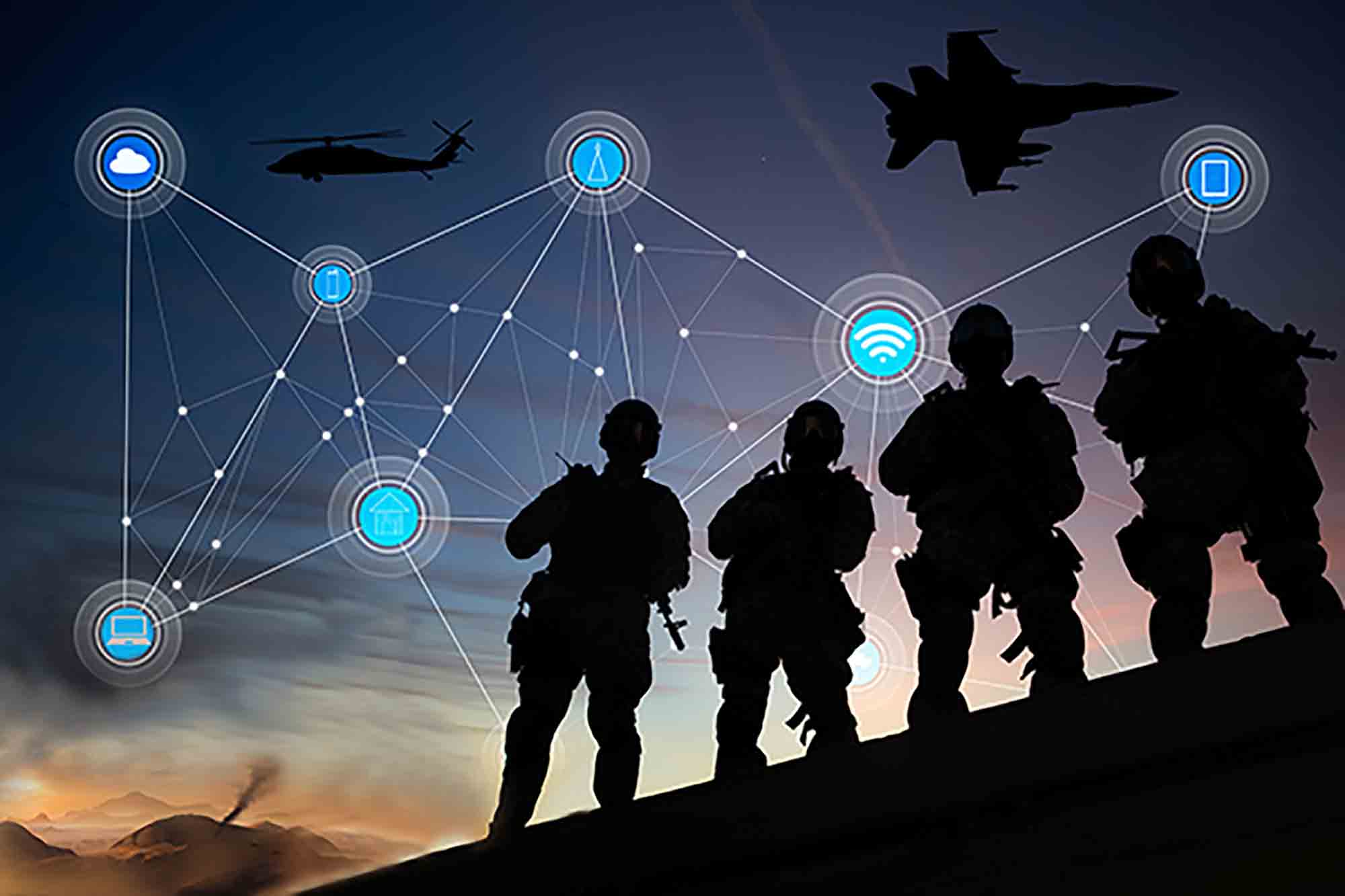
The landscape of modern warfare is undergoing a profound transformation, driven by the relentless march of technological innovation. At the forefront of this revolution is the Internet of Things (IoT), a network of interconnected devices capable of collecting and exchanging data. When applied to the defense sector, this paradigm evolves into the Internet of Military Things (IoMT), also frequently referred to as the Internet of Battlefield Things (IoBT). This pervasive network promises to fundamentally alter how military operations are conceived, executed, and sustained, ushering in an era of unprecedented situational awareness, operational efficiency, and combat readiness.
The traditional battlefield, once characterized by isolated units and segmented information flows, is rapidly giving way to a highly integrated ecosystem where every soldier, vehicle, sensor, and weapon system can potentially contribute to a unified operational picture. This article will delve into the multifaceted ways IoMT is reshaping military capabilities, exploring its core components, transformative applications, inherent challenges, and the strategic imperatives for its successful implementation.
The Genesis of IoMT: From Commercial IoT to Battlefield Dominance
The concept of the Internet of Things originated in the commercial sector, where smart homes, connected vehicles, and industrial automation have become commonplace. Its success in these domains naturally led to explorations of its potential within the highly demanding and critical environment of military operations. The military’s long-standing need for enhanced intelligence, surveillance, and reconnaissance (ISR), improved logistics, and superior command and control (C2) systems made it a fertile ground for IoT adoption.
The core principle remains the same: connecting physical objects with sensors, software, and other technologies to enable them to exchange data over the internet or other networks. However, the “things” in IoMT are purpose-built or adapted for the harsh realities of military conflict. They operate under extreme conditions, face sophisticated adversaries, and demand uncompromising levels of security, resilience, and reliability. This distinction defines the unique challenges and opportunities of IoMT.
Defining the Internet of Military Things (IoMT)
IoMT can be broadly defined as a highly interconnected network of military-specific devices, sensors, platforms, and personnel, enabling real-time data sharing, advanced analytics, and intelligent automation to enhance mission effectiveness and safety across all domains of warfare. It aims to create a dynamic, distributed “brain” across the battlespace, where data is collected, processed, and acted upon with speed and precision.
Unlike commercial IoT, which often prioritizes convenience and cost, IoMT places paramount importance on mission effectiveness, security, and resilience. This distinction is crucial, as the failure of an IoMT device or system can have catastrophic consequences for human lives and national security.
Historical Context and Evolution
The idea of network-centric warfare, where information superiority drives decision-making, predates the widespread adoption of IoT. However, IoMT provides the technological backbone to truly realize this vision. Early military communication systems laid the groundwork for secure data exchange, but the sheer scale, heterogeneity, and intelligence now afforded by IoMT are revolutionary. The rapid emergence and acceptance of IoT have been fueled by advances in machine intelligence and networked communications, making the collection of “things” more practical, capable, and coordinated in a military context.
The Architecture of IoMT: A Multilayered Ecosystem
While a singular, universally accepted IoMT architecture doesn’t exist, a layered model, often adapted from traditional IoT architectures, provides a useful framework for understanding its complexity. This architecture typically encompasses a multi-domain ecosystem spanning land, air, sea, space, and cyberspace, integrating a heterogeneous collection of “things”.
Sensor and Device Layer
This is the foundational layer, comprising an extensive array of “smart” military devices. These are the primary data gatherers of the IoMT ecosystem.
- Soldier-Worn Wearables: These include sensors integrated into a soldier’s equipment for monitoring vital signs (heart rate, body temperature), location, environmental conditions (temperature, humidity, atmospheric pressure), and even stress levels. They can provide early warnings of injury, track fatigue, and optimize resource allocation.
- Unmanned Aerial Vehicles (UAVs) / Drones: Essential for reconnaissance, surveillance, target acquisition, and even weapon delivery. Small, tactical drones can provide real-time battlefield intelligence, while larger platforms gather strategic data.
- Unmanned Ground Vehicles (UGVs): Autonomous or remotely controlled vehicles for logistics, reconnaissance, combat support, and dangerous tasks like explosive ordnance disposal (EOD).
- Stationary and Mobile Sensors: A vast category including acoustic sensors for detecting enemy movement, chemical and biological agent detectors, radiation sensors, seismic sensors, and advanced optical sensors (visible, infrared, thermal imaging). These devices can be deployed in various environments to monitor battlefield parameters.
- Smart Munitions and Weapons Systems: Next-generation weaponry with embedded sensors and communication capabilities, allowing for enhanced precision, target tracking, and even in-flight adjustments.
- Intelligent Logistics Trackers: Devices affixed to supplies, equipment, and vehicles to monitor their location, condition, and inventory levels in real-time, optimizing the supply chain.
- Environmental Sensors: Monitoring weather patterns, terrain conditions, and other environmental factors crucial for mission planning and execution.
Network and Communication Layer
This layer is the backbone of IoMT, responsible for securely transmitting vast amounts of data from the device layer to processing centers and back. The military demands robust, resilient, and secure communication channels that can operate in contested environments with limited infrastructure.
- Satellite Communications (SATCOM): Providing global coverage, essential for operations in remote or austere environments where terrestrial networks are unavailable.
- Tactical Mesh Networks: Self-forming, self-healing networks that allow devices to communicate directly with each other, extending range and resiliency in dynamic battlefield conditions.
- 5G and Beyond: The commercial advent of 5G offers immense potential for high-bandwidth, low-latency communication, which is critical for real-time data processing and control of autonomous systems. Military adaptations of 5G will be crucial.
- Secure Radio Frequencies: Utilizing encrypted and jam-resistant radio communications tailored for military use.
- Edge Computing Devices: Instead of sending all data to a centralized cloud, edge devices perform processing closer to the data source, reducing latency and bandwidth requirements. This is vital for real-time decision-making in the field.
Data Processing and Analytics Layer
This layer is where raw data from sensors is transformed into actionable intelligence.
- Data Aggregation and Fusion: Collecting data from disparate sources and integrating it into a cohesive dataset.
- Artificial Intelligence (AI) and Machine Learning (ML): Crucial for analyzing massive datasets, identifying patterns, predicting threats, and automating responses. AI algorithms can detect anomalies, classify targets, and optimize resource allocation at speeds impossible for human operators.
- Big Data Analytics: Managing and extracting insights from the enormous volume of data generated by thousands, if not millions, of interconnected devices. The ability to effectively use and optimize this greater volume of acquired data is a key goal of IoMT.
- Predictive Maintenance: Using data from vehicle and equipment sensors to predict failures before they occur, enabling proactive maintenance and reducing downtime.
Application Layer
This layer comprises the software and services that utilize the processed data to support military operations and decision-making.
- Command and Control (C2) Systems: The central hubs and distributed nodes that process data and facilitate decision-making, providing commanders with a real-time, comprehensive view of the battlefield.
- Situational Awareness Platforms: Dashboards and visualization tools that present complex information in an intuitive way, allowing personnel to understand the current operational environment quickly.
- Logistics Management Systems: Optimizing supply chains, tracking inventory, and managing maintenance schedules.
- Health Monitoring Systems: Analyzing soldier vital signs and health data to provide proactive medical support.
- Automated Response Systems: In some cases, AI-driven systems might be authorized to initiate automated responses to specific threats, under human oversight.
Security and Management Layer
While typically integrated across all layers, this critical component ensures the integrity, confidentiality, and availability of the IoMT network. It includes cybersecurity measures, access control, identity management, and network management tools.
Transformative Applications of IoMT Across Military Domains
The potential benefits of IoMT are vast and span every aspect of military operations, from logistics to direct combat.
Enhancing Situational Awareness and Intelligence
One of the most immediate and impactful benefits of IoMT is the dramatic improvement in situational awareness. By collecting data from a multitude of sensors, military leaders can gain an unprecedented understanding of the battlespace.
- Real-Time Battlefield Picture: Drones provide aerial views, ground sensors detect movement, and soldier-worn devices report positions and combat status. This fused data creates a dynamic, high-resolution map of friendly and enemy forces, terrain, and environmental conditions.
- Threat Detection and Identification: Advanced AI analysis of sensor data can quickly detect and identify unknown threats, from insurgent activities to sophisticated enemy equipment, often before they become direct threats.
- Predictive Intelligence: By analyzing historical data and current patterns, IoMT systems can predict enemy intentions, potential attack vectors, and even the efficacy of different tactical approaches.
- C4ISR Optimization: IoMT significantly enhances Command, Control, Communications, Computers, Intelligence, Surveillance, and Reconnaissance (C4ISR) processes. It allows for the more effective use and optimization of a higher volume of acquired data, revolutionizing the flow, analysis, and gathering of information, which in turn revolutionizes decision-making.
Improving Soldier Safety and Performance
IoMT devices are invaluable for protecting personnel and optimizing their effectiveness.
- Health and Wellness Monitoring: Sensors on soldiers can track heart rate, body temperature, hydration levels, and even exposure to hazards like radiation or chemical agents. This allows for proactive medical intervention and real-time assessment of troop well-being.
- Fatigue Management: By monitoring physiological data, commanders can identify fatigued soldiers, preventing errors and ensuring peak performance when it matters most.
- Precision Navigation and Tracking: GPS, inertial navigation systems, and other tracking devices embedded in gear provide soldiers with precise location information, crucial for coordination and minimizing friendly fire incidents.
- Training and Simulation: IoMT can create highly realistic training environments. Sensors can monitor trainees’ performance, providing immediate feedback and allowing for data-driven improvements in combat readiness. Smart devices can help soldiers prepare for battle.
Revolutionizing Logistics and Supply Chain Management
Logistics is often considered the lifeblood of any military operation. IoMT brings unprecedented efficiency and transparency to this critical function.
- Real-Time Asset Tracking: Knowing the exact location and status of every piece of equipment, ammunition, and supply-from depots to the frontline-reduces waste, prevents loss, and ensures timely delivery.
- Predictive Maintenance: Sensors on vehicles, aircraft, and heavy machinery constantly monitor their health. AI analyzes this data to predict potential failures, allowing for scheduled maintenance before breakdowns occur, significantly increasing operational uptime.
- Automated Inventory Management: IoMT-enabled warehouses can automatically track stock levels, reorder supplies, and optimize storage, reducing human error and improving efficiency.
- Smart Facilities Management: Monitoring energy consumption, water usage, and environmental conditions in military bases and forward operating locations to optimize resource utilization and reduce operational costs.
Enhancing Command and Control (C2)
IoMT empowers commanders with faster, more informed decision-making capabilities.
- Integrated Common Operating Picture (COP): Data from all IoMT sources is fused into a single, comprehensive view, allowing commanders to make decisions based on the most current and complete information available.
- Collaborative Decision-Making: IoMT facilitates seamless information sharing across different units, branches, and even coalition partners, fostering better coordination and combined arms operations. Joint All-Domain Command & Control (JADC2) concepts, aiming to improve coordination across all domains of warfare, rely heavily on IoT to combine data from various sources like sensors, drones, and satellites to increase situational awareness.
- Adaptive Mission Planning: With real-time intelligence, mission plans can be dynamically adjusted to evolving battlefield conditions, increasing flexibility and responsiveness.
- Automation of Routine Tasks: IoMT can automate many data collection, analysis, and reporting tasks, freeing up human operators to focus on higher-level strategic decisions.
Supporting Unmanned Systems and Autonomy
IoMT is intrinsically linked to the rise of unmanned and autonomous systems in defense.
- Autonomous Vehicle Networks: UGVs and UAVs can operate as interconnected swarms, collaboratively performing reconnaissance, security patrols, or even complex combat maneuvers.
- Remote Operation and Control: Soldiers can remotely operate advanced robotics and drones from a safe distance, minimizing risk in hazardous environments.
- Human-Machine Teaming: IoMT enables more sophisticated interaction between human soldiers and autonomous systems, where machines augment human capabilities rather than simply replacing them.
Key Challenges and Obstacles to IoMT Adoption
Despite its immense potential, the implementation of IoMT in military contexts is fraught with significant challenges that must be addressed methodically and strategically. The unique and demanding nature of the battlefield environment presents communication, security, and integration hurdles that differ profoundly from commercial IoT deployments.
Cybersecurity and Resilience
This is arguably the most critical challenge for IoMT. A compromised IoMT network could have devastating consequences.
- Sophisticated Adversaries: Military IoMT networks are prime targets for cyberattacks from state-sponsored actors, highly skilled terrorist groups, and other malicious entities. These adversaries seek to disrupt, degrade, or exploit military capabilities.
- Expanded Attack Surface: The sheer number of interconnected devices, many with limited processing power or outdated software, vastly increases the potential entry points for attackers. Each “thing” represents a potential vulnerability.
- Data Integrity and Confidentiality: Ensuring that data collected by sensors is accurate, untampered, and only accessible to authorized personnel is paramount. Tampered data could lead to disastrous miscalculations.
- Denial of Service (DoS) Attacks: Adversaries could attempt to flood military networks, rendering them inoperable or severely degraded, thereby crippling command and control or intelligence gathering.
- Supply Chain Vulnerabilities: The components and software used in IoMT devices often come from a global supply chain, which can introduce vulnerabilities if not rigorously vetted.
- Resilience Against Physical Attacks: Beyond cyber threats, IoMT devices must also be resilient to physical damage, electronic warfare (EW), and jamming attempts in combat zones.
Interoperability and Standardization
The military operates on a global scale, often with coalition partners using diverse equipment and systems.
- Heterogeneous Systems: IoMT involves a vast array of devices from different manufacturers, using various operating systems, communication protocols, and data formats. Ensuring these diverse components can seamlessly communicate and share data is a monumental task.
- Lack of Universal Standards: The absence of universally adopted military-specific IoT standards hinders seamless integration and data exchange across different services and nations.
- Legacy Systems Integration: Militaries often rely on decades-old legacy systems that must be integrated with cutting-edge IoMT technologies, creating complex interface challenges.
Power Management and Energy Constraints
Military operations often occur in remote areas without reliable power grids.
- Battery Life and Charging: Many IoMT devices, especially soldier-worn sensors or remote surveillance nodes, rely on batteries. Prolonged battery life and efficient charging solutions are critical design considerations.
- Energy Harvesting: Exploring technologies like solar, kinetic, or thermal energy harvesting for sustainable power in the field is essential to reduce logistical burdens.
- Energy Efficiency of Components: Designing and selecting components for IoMT devices that prioritize low power consumption without sacrificing performance.
Bandwidth and Connectivity Limitations
Despite advances in communication technology, battlefield environments present unique challenges for data transmission.
- Limited Bandwidth: Contested electromagnetic spectrum, remote locations, and the sheer volume of data generated by IoMT devices can quickly exhaust available bandwidth.
- Latency Requirements: For real-time applications like controlling autonomous vehicles or providing immediate combat intelligence, low latency is non-negotiable.
- Jamming and Interference: Adversaries will actively try to jam or interfere with military communications, requiring IoMT networks to be robust and resilient against such attacks.
- Disconnection and Intermittency: Devices may operate in environments where connectivity is intermittent or completely unavailable, requiring them to function autonomously or store data until connection is restored.
Data Deluge and Processing
The promise of IoMT is the generation of vast amounts of data, but this also presents a challenge.
- Analysis Overload: Without effective AI and ML tools, military operators could be overwhelmed by the sheer volume of data, leading to “analysis paralysis” rather than informed decision-making.
- Edge Computing Necessity: Processing data at the edge, closer to the source, becomes crucial to reduce the load on central networks and enable real-time responses.
- Storage and Retention: Managing the storage, retention, and lifecycle of enormous datasets, much of which may be sensitive or classified, requires robust infrastructure.
Ethical and Legal Considerations
The deployment of advanced autonomous and interconnected systems raises significant ethical and legal questions.
- Autonomy in Lethal Systems: The use of AI-driven autonomous weapons systems raises questions about accountability, human oversight, and the decision to take human life without direct human intervention.
- Data Privacy and Surveillance: While designed for military purposes, the pervasive nature of IoMT sensors raises concerns about the privacy of individuals and the potential for surveillance creep, even within military ranks.
- International Laws of War: Ensuring that IoMT systems comply with international humanitarian law and the laws of armed conflict.
Cost and Acquisition
Developing, procuring, and deploying advanced IoMT systems involve significant financial investments.
- Research and Development: The upfront cost of R&D for hardened, secure, and performant military-grade IoMT components is substantial.
- Integration Complexity: The cost and effort involved in integrating new IoMT systems with existing infrastructure, as well as with each other, can be immense.
- Training Personnel: Extensive training programs are required to equip military personnel with the skills to operate, maintain, and secure sophisticated IoMT technologies.
Emerging Solutions and Future Directions
Addressing the challenges of IoMT requires a multi-faceted approach, combining technological innovation with strategic policy and collaboration.
Advanced Cybersecurity Frameworks
- Zero Trust Architecture: Implementing a “never trust, always verify” approach, where every device, user, and application is continuously authenticated and authorized, regardless of its location within the network.
- Blockchain for Security: Utilizing distributed ledger technology for immutable record-keeping and secure identity management, enhancing data integrity and preventing unauthorized access.
- Hardware-Level Security: Embedding security features directly into the hardware of IoMT devices, making them more resistant to tampering and exploitation.
- AI-Powered Threat Detection: Employing AI and ML algorithms to continuously monitor IoMT networks for anomalies, proactively identify cyber threats, and automate response mechanisms.
- Quantum-Resistant Cryptography: Developing and implementing cryptographic algorithms that can withstand attacks from future quantum computers, ensuring long-term data security.
Enhanced Interoperability and Standardization Efforts
- Modular Open Systems Approaches (MOSA): Encouraging the use of open architectures and modular designs to facilitate easier integration of components from different vendors and enable future upgrades.
- Common Data Models: Developing standardized data formats and protocols to ensure seamless information exchange between diverse IoMT devices and systems.
- International Collaboration: Working with allied nations to develop shared standards and protocols for IoMT to enable truly joint operations.
Energy Efficiency and Alternative Power Sources
- Low-Power Communication Protocols: Developing and adopting communication technologies optimized for minimal energy consumption.
- Advanced Battery Technologies: Investing in research and development of smaller, lighter, and longer-lasting batteries, such as solid-state or high-density lithium-sulfur batteries.
- Smart Energy Management Systems: Utilizing AI to optimize power distribution and consumption across IoMT networks and individual devices.
- Miniaturized Fuel Cells and Micro-Reactors: Exploring compact and efficient power generation solutions for extended field deployments.
Resilient and Adaptive Communication Networks
- Cognitive Radio and Dynamic Spectrum Access: Technologies that allow communication devices to intelligently sense and adapt to the electromagnetic spectrum, avoiding interference and optimizing bandwidth usage.
- Multi-Path and Multi-Layer Communication: Designing networks that can utilize multiple communication paths and diverse technologies (e.g., satellite, cellular, mesh) to ensure connectivity even if some links are compromised.
- Self-Healing Networks: IoMT networks designed to automatically detect and reconfigure around outages or attacks, maintaining connectivity and functionality.
- Satellite Constellations (LEO/MEO): The proliferation of Low Earth Orbit (LEO) and Medium Earth Orbit (MEO) satellite constellations offers new opportunities for high-bandwidth, global connectivity for IoMT applications.
Edge Computing and Intelligent Data Management
- Advanced Edge AI Processors: Developing specialized hardware for embedded AI at the edge, allowing for sophisticated data analysis and decision-making on individual devices.
- Federated Learning: A machine learning approach where models are trained on decentralized edge devices and then aggregated at a central server, preserving data privacy and reducing bandwidth requirements.
- Data Filtration and Prioritization: Implementing intelligent algorithms at the edge to filter out irrelevant data and prioritize critical information, reducing the “data deluge” sent over congested networks.
Human-Machine Integration and Ethical AI Development
- Transparent AI: Developing AI systems whose decision-making processes are understandable and explainable to human operators, fostering trust and accountability.
- Human-in-the-Loop Control: Ensuring that human operators retain ultimate control and decision authority, especially for lethal actions, even with highly autonomous systems.
- Robust Testing and Validation: Rigorous testing of IoMT systems, particularly those with autonomous capabilities, in diverse and realistic scenarios to identify biases, vulnerabilities, and unintended behaviors.
- Ethical AI Guidelines: Establishing clear ethical guidelines and legal frameworks for the development and deployment of military AI and autonomous systems.
Strategic Acquisition and Collaboration
- Commercial Off-the-Shelf (COTS) Integration: Leveraging commercially available technologies where appropriate, adapting them for military use to reduce costs and accelerate deployment. This requires seamless integration and collaboration between the armed forces and private enterprises.
- Public-Private Partnerships: Fostering collaboration between military organizations, defense contractors, academic institutions, and technology companies to drive innovation and share expertise.
- Agile Development Methodologies: Adopting agile development and procurement processes to rapidly innovate, test, and deploy IoMT solutions, keeping pace with evolving threats and technologies.
The Role of IoT Worlds in the IoMT Ecosystem
As the Internet of Military Things continues its rapid ascent, the need for expertise, strategic guidance, and cutting-edge solutions becomes ever more critical. Organizations navigating this complex and high-stakes environment require partners who deeply understand both the technological intricacies of IoT and the unique demands of national security and defense.
IoT Worlds stands at the nexus of commercial IoT innovation and its specialized application in military domains. Our profound understanding of interconnected systems, data analytics, cybersecurity, and advanced communication technologies positions us as a leading authority in shaping the future of IoMT. We recognize that the operational readiness and tactical advantage of modern armed forces increasingly depend on their ability to harness the power of interconnected devices effectively and securely.
Our expertise encompasses a broad spectrum of IoMT components, from granular sensor deployment strategies to overarching secure network architectures. We provide comprehensive consultancy services designed to empower defense organizations to:
- Strategize IoMT Implementation: Developing tailored roadmaps for integrating IoT technologies into existing military infrastructure, ensuring alignment with strategic objectives.
- Design Robust and Secure IoMT Architectures: Crafting resilient, secure, and scalable architectures that can withstand sophisticated cyber threats and operate effectively in challenging battlefield environments.
- Optimize Data Collection and Analytics: Implementing advanced AI and machine learning solutions to derive actionable intelligence from the massive datasets generated by IoMT devices, enabling faster and more informed decision-making.
- Enhance Cybersecurity Posture: Advising on best practices for securing IoMT ecosystems, from device-level encryption to network-wide threat detection and response protocols.
- Facilitate Interoperability and Standardization: Guiding the integration of diverse systems and devices, promoting seamless communication and data exchange across different military branches and allied forces.
- Assess and Mitigate Risks: Conducting thorough risk assessments for IoMT deployments, identifying potential vulnerabilities, and developing mitigation strategies for both cyber and physical threats.
- Support Training and Workforce Development: Providing insights into the necessary skills and training programs to prepare military personnel for the IoMT era.
The future of defense is undeniably connected, intelligent, and highly automated. The nation that masters IoMT will possess an unparalleled advantage in protecting its interests and ensuring the safety of its personnel. This transformation is not merely about adopting new gadgets; it is about fundamentally redefining how militaries operate in a world where information superiority and technological edge are paramount.
Are you ready to unlock the full potential of the Internet of Military Things for your defense initiatives? Do you need expert guidance to navigate the complexities of secure IoMT deployment, strategic planning, or system integration?
Contact IoT Worlds today to discuss how our specialized consultancy services can help your organization harness this transformative technology for unprecedented operational excellence and national security.
Send an email to info@iotworlds.com to schedule a consultation with our IoMT experts. Let us help you convert the vision of a connected battlespace into a tangible reality, ensuring your forces are always ready for the challenges of tomorrow.